
Heritage Sites · Al Bahah
Thee Ain
ذو عين
Photo: Thee Ain Village 2021.jpg · Richard Mortel · CC BY 2.0 (licence)
Before you go
8 facts, each with its source- Time needed 1–2 hours Source: editor · category default
- Best season November–March Source: editor · category default
- Difficulty Easy — uneven ground and low doorways Source: editor · category default
- Family friendly Yes Source: editor · category default
- Facilities Parking 87 m Source: osm · mapped within 300 m
- Drones Registration with GACA is required for any drone from 250 g, and registration alone is not permission to fly — an operational permit is also needed Source: official · national rule · General Authority of Civil Aviation (GACA) · checked 2026-09-05
- Dress Saudi Arabia expects modest dress in public: loose clothing covering shoulders and knees. Abaya is no longer required of visitors. Many of these sites are still lived in. Source: editor · category default
- Elevation 780 m Source: srtm · NASA SRTM 30 m model
Not confirmed for this place: 4x4 needed · Entry fee · Opening hours · Wheelchair. Know one of these? Tell us →
Safety notes
- Rock-cut tombs, inscriptions and old-town streets are fragile and, outside the managed sites, unfenced. Stay on the paths, touch nothing, and take nothing — removing anything from an archaeological site is an offence.
- The managed heritage sites admit visitors by timed ticket and close to walk-ups. Book before you drive.
Editor notes, reviewed 2026-09-04
How far is it?
- 4 h 44 mfrom Abha International Airport (AHB) · 309 km
- 30 mfrom Al Bahah · 29 km
- 2 h 56 mfrom Taif · 244 km
Road distance and driving time from OpenStreetMap routing, without traffic. Mountain tracks are often slower than the router thinks.
When to go
November–March- J
- F
- M
- A
- M
- J
- J
- A
- S
- O
- N
- D
ComfortableToo hot
Rock-cut tombs, old towns and inscription sites are open desert ground. The visiting season is the cool half of the year and the visiting hours are the ends of the day. Like Asir: high ground where the summer is the pleasant season and the winter nights are cold.
Source: editor · category default · 2026-09-04. Category default set by the editor — a verified per-place season replaces it.
About & Sources Thee Ain
Thee Ain is a heritage site in Al Bahah, Saudi Arabia. Entry fee, opening hours and vehicle requirements have not yet been verified for this page — the fact box says so plainly rather than guessing, so check locally before you go. For this kind of place the comfortable season is typically November–March. Nearby: Prince Sultan bin Salman Park, Raghadan Park and Hamalida Stairs.
At a glance
- Heritage Sites · Al Bahah
- Season: November–March (editor default)
- 1 open-data source · verified not yet
Photos
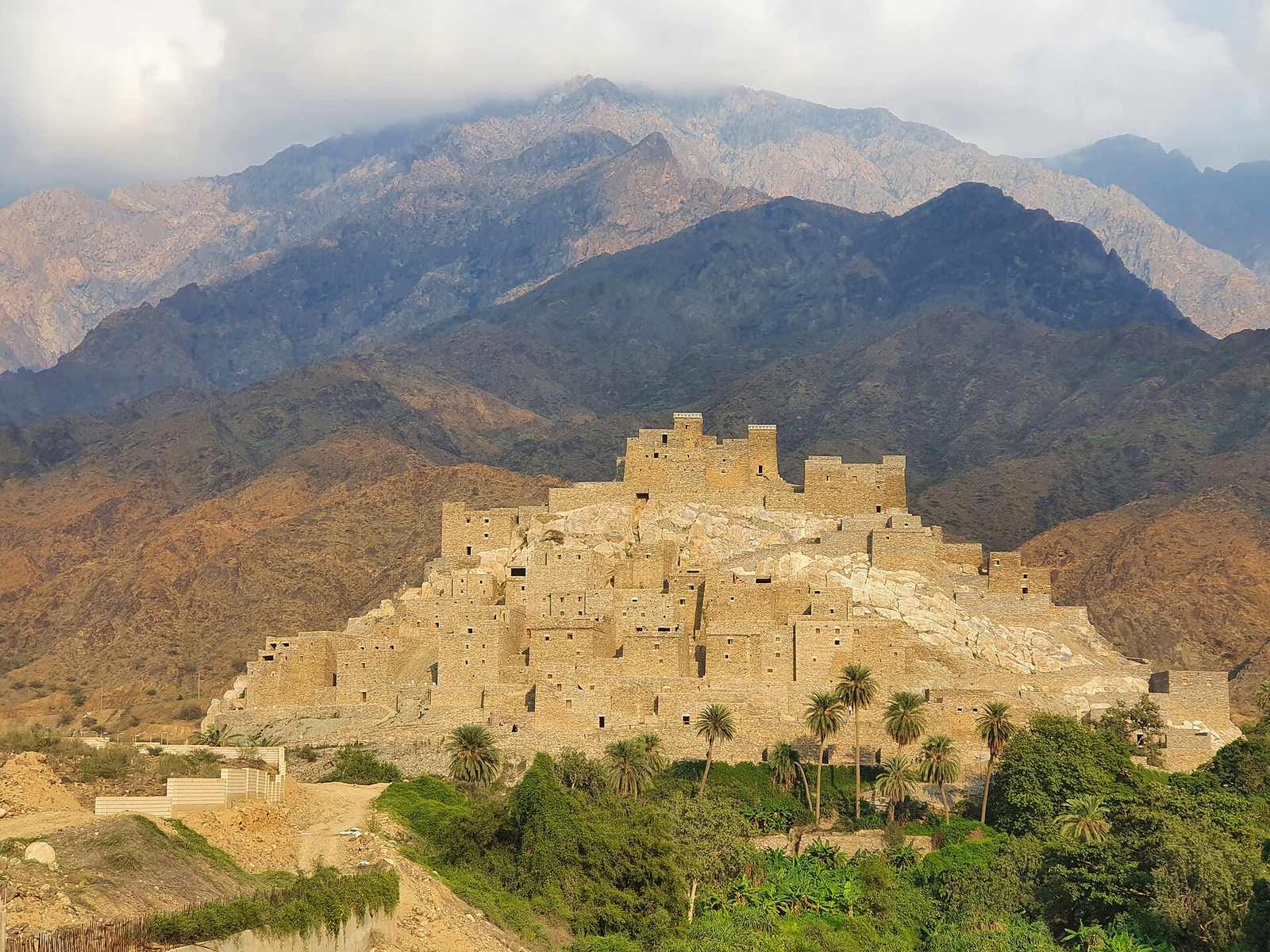
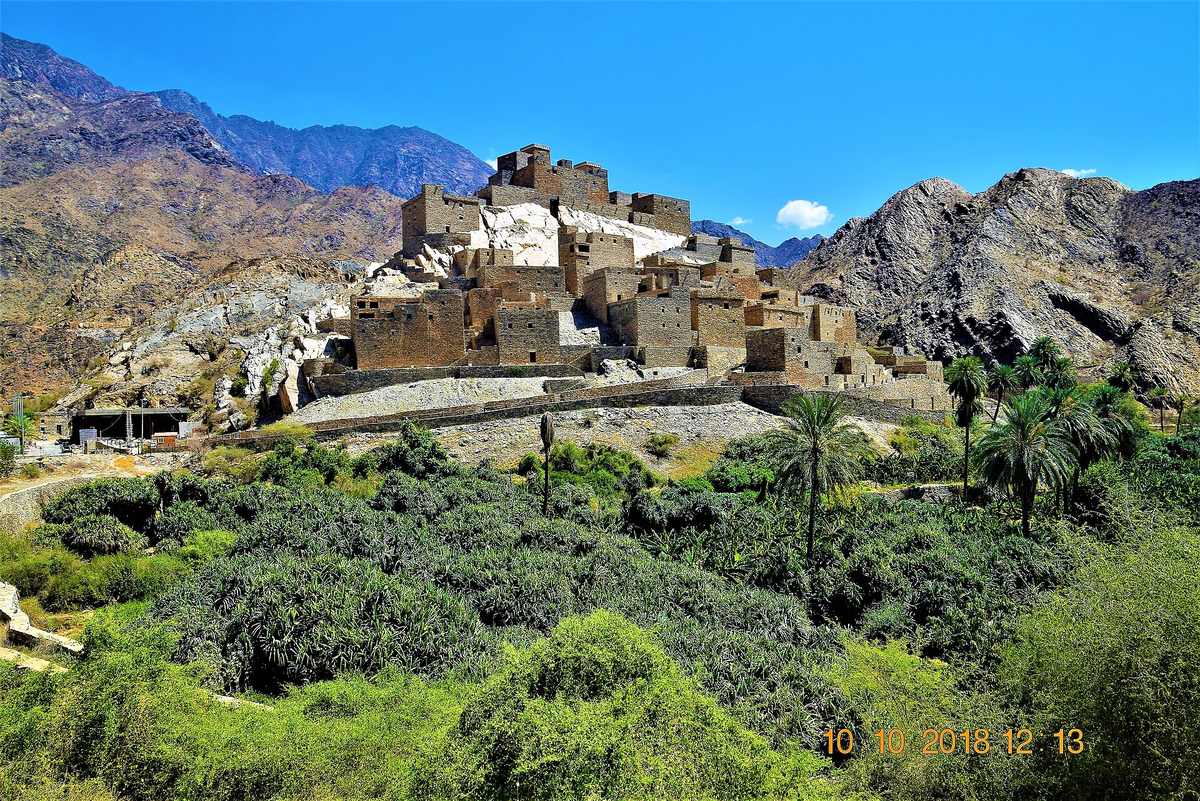
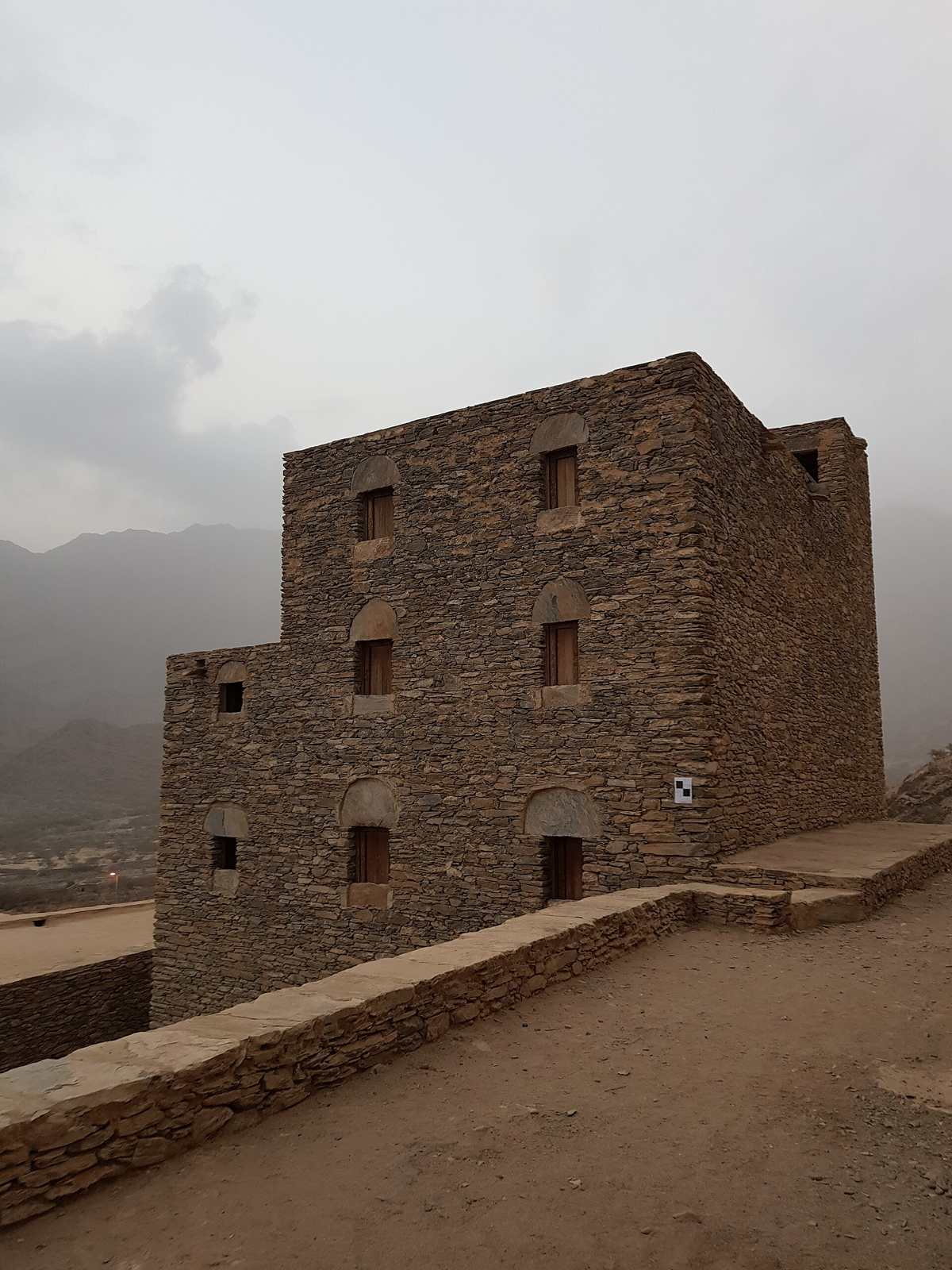
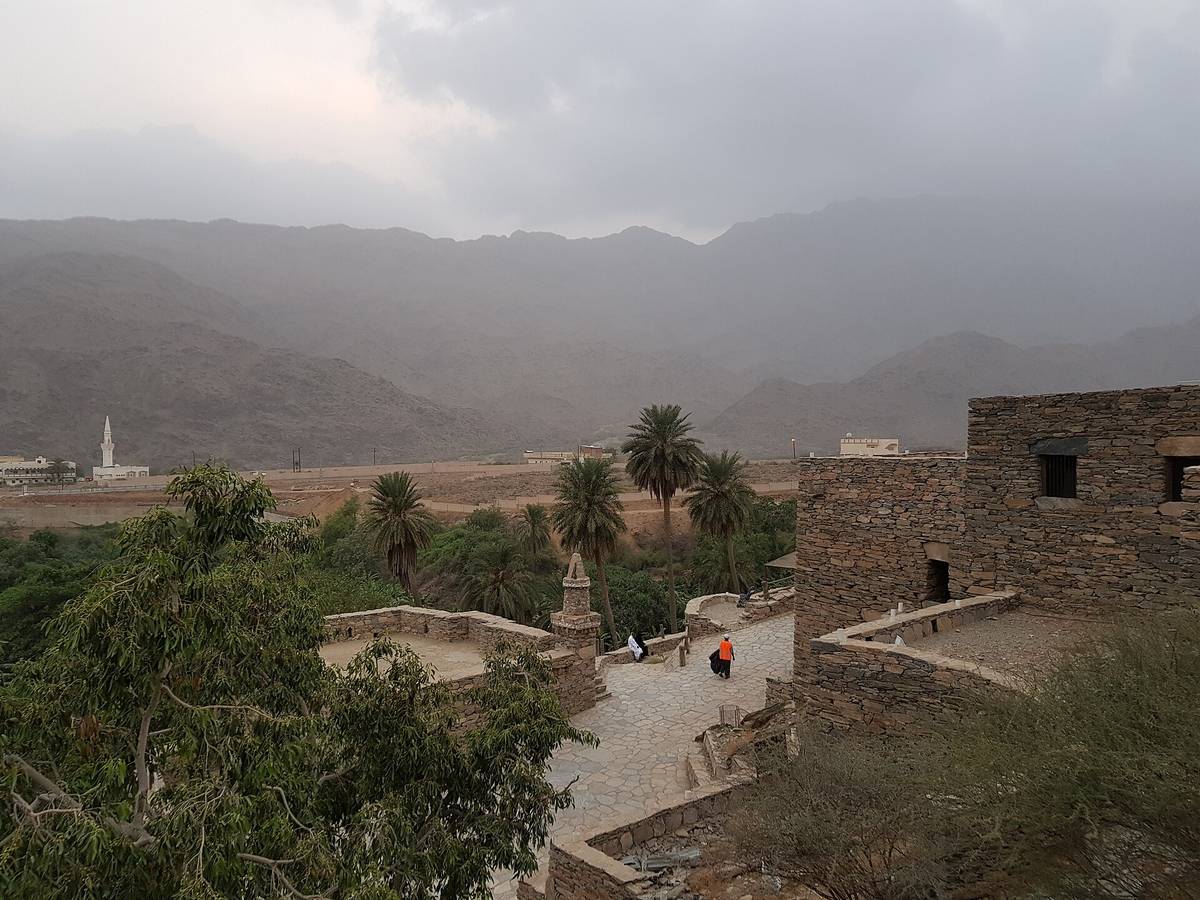
Photos from Wikimedia Commons, each with its author and licence.
Frequently asked questions
When is the best time to visit Thee Ain?
Typically November–March for heritage sites. Rock-cut tombs, old towns and inscription sites are open desert ground. The visiting season is the cool half of the year and the visiting hours are the ends of the day. Like Asir: high ground where the summer is the pleasant season and the winter nights are cold.
How long do I need at Thee Ain?
1–2 hours (guidance for this category).
What facilities are there at Thee Ain?
Parking 87 m (source: osm).
How high is Thee Ain?
About 780 m above sea level (source: srtm).
Where is Thee Ain?
In Al Bahah (SA-11), Saudi Arabia, at 19.9306, 41.4428 — near Prince Sultan bin Salman Park, Raghadan Park and Hamalida Stairs.
Who can take you there
All operators →Licensed local operators who run trips of this kind in this region. Contact them directly — we take no commission on an enquiry.
Are you a licensed operator who runs trips here? The first slot on this page is available to Verified operators for a flat monthly fee. No commission, and the enquiry goes straight to your WhatsApp.
Claim your listing →Operators are listed from open data and Ministry of Tourism's public directory. Ranking places paying operators first; everything else is by relevance and distance, and the badges say exactly what has been verified.
Nearby places
More in Al Bahah →


Information is compiled from open data and editor checks; conditions, fees and access change — verify locally before you travel.